

Sterilization Principle and Effect
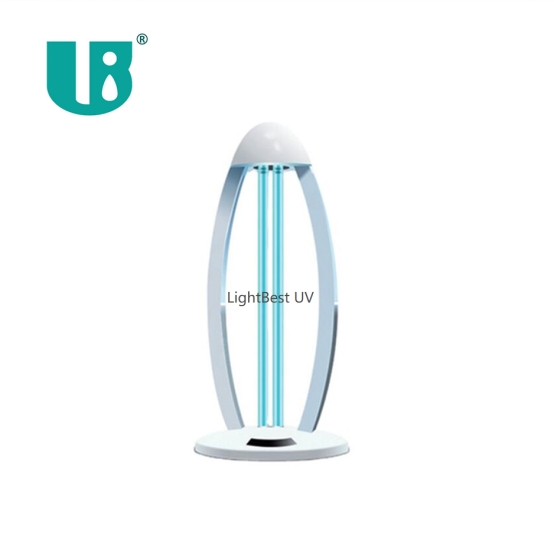
UV germicidal lamps destroy the DNA or RNA structure of microorganisms through ultraviolet rays of specific wavelengths (such as 254nm), depriving them of reproductive capacity and thus achieving sterilization. This technology is widely used in medical treatment, food processing and other fields, with a good killing effect on bacteria, viruses and other microorganisms on object surfaces. For food, ultraviolet irradiation can kill some microorganisms on its surface, thereby retarding the spoilage process to a certain extent.
Limitation Analysis
1. Insufficient penetration: Ultraviolet rays mainly act on the food surface and are difficult to penetrate into the food to kill deep-seated microorganisms. Therefore, the effect of ultraviolet irradiation is limited for spoilage microorganisms that have penetrated deep into the food.
2. Impact on nutrition and flavor: Prolonged exposure to ultraviolet rays may reduce the nutritional value of certain foods, especially light-sensitive nutrients such as vitamin C and B vitamins. In addition, ultraviolet rays may induce chemical reactions in food, leading to changes in color and taste.
3. Strict operational requirements: When using ultraviolet germicidal lamps, it is necessary to control the irradiation intensity and time to avoid over-irradiation causing food deterioration or producing harmful substances. At the same time, ensure that the food surface is dry and unobstructed to allow sufficient ultraviolet irradiation.
Practical Application Suggestions
1. Select appropriate food: Ultraviolet irradiation is more suitable for foods with flat surfaces that are easy to irradiate, such as fruits and vegetables. For foods with complex shapes or a large number of internal microorganisms, such as meat and fish, the effect of ultraviolet irradiation may be poor.
2. Control irradiation conditions: According to the type and state of food, select the appropriate ultraviolet wavelength, intensity and irradiation time. Generally speaking, ultraviolet rays with a wavelength of 254nm have a good sterilization effect, but the irradiation time should not be too long to avoid damaging the food.
3. Combine with other preservation methods: Ultraviolet irradiation can be used as an auxiliary preservation method, but it is best to combine it with other preservation methods (such as refrigeration, vacuum packaging, etc.) to improve the preservation effect.
Post time:2026-02-06 17:47:43